Caligula
"Ivan Vazov" National Theatre (Sofia, Bulgaria)

Caligula
by Albert Camus
Directed by Diana Dobreva
Bulgarian Translation & Stage Adaptation by Alexander Sekulov, Diana Dobreva
Stage & Costumes by Nina Pashova
Music by Petya Dimanova
Live Music Performer Petar 'Bunny' Yordanov
Choreography by Angelina Gavrilova
Lighting Design by Lalyo Hristov
Assistant Director Irina Ivanova
Photography by Bojidar Markov
Cover Photo by Ivaylo Stanev
Graphic Design by Yanina Petrova
Cast
Deyan Donkov, Joreta Nikolova, Alexandra Vasileva, Yordan Bikov, Deyan Angelov, Bilyana Petrinska, Elena Petrova, Joseph Shamli, Zafir Radjab, Stefan Kushev, Vyara Tabakova, Tsvetan Peychev, Kaloyan Stoychev, Kiril Nedkov, Albena Stavreva, Slavena Zaykova, Elitsa Yovcheva, Irina Miteva, Ahmed Yiumer, Alexander Evgeniev, Dimitar Dimitrov
Premiere
"Ivan Vazov" National Theatre (Sofia, Bulgaria)
October 27, 2017
Awards
- Best Costumes to Nina Pashova – Askeer Theatre Award ("A'Askeer" Foundation) 2018
Nominations
- Best Actor to Deyan Donkov – Askeer Theatre Award ("A'Askeer" Foundation) 2018
Gallery


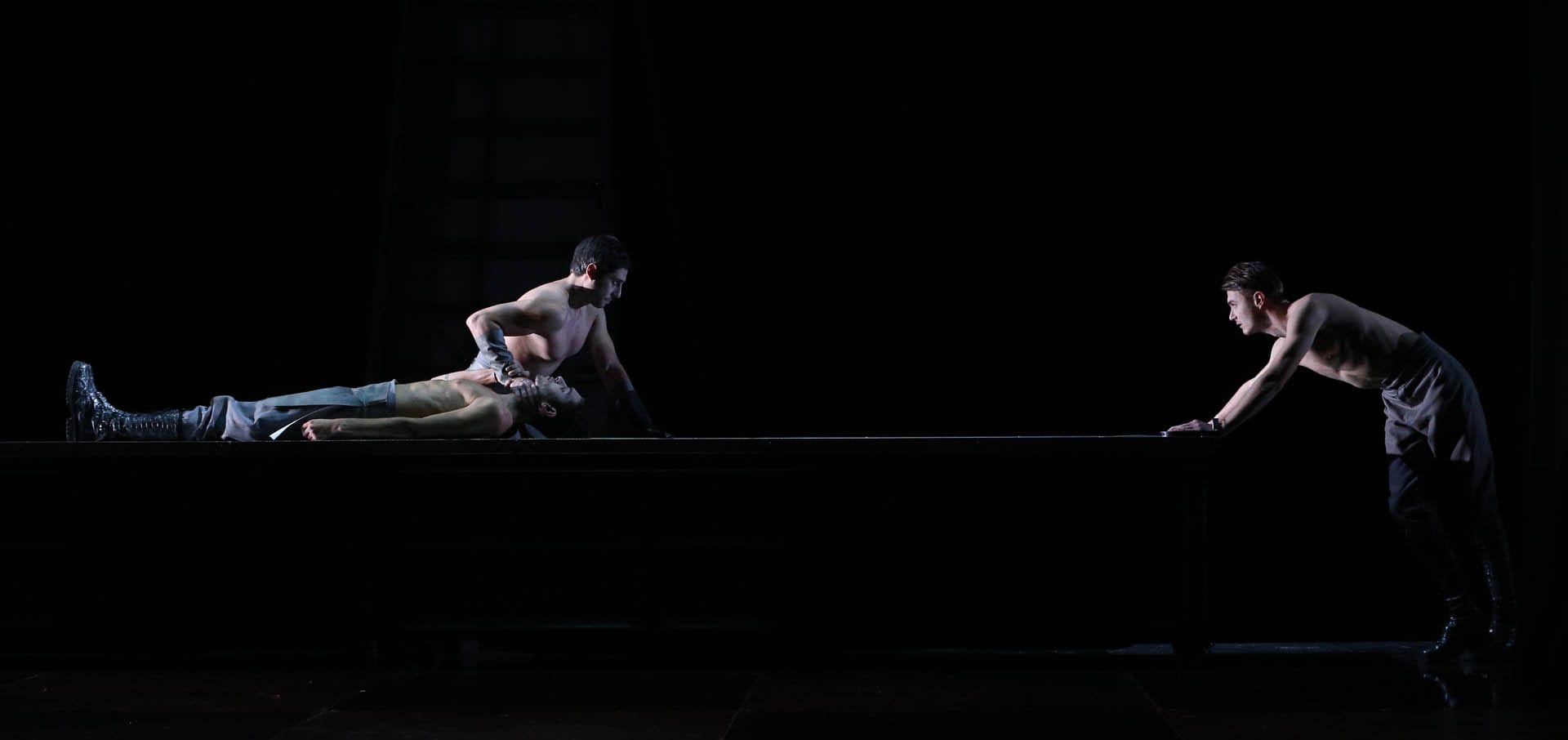


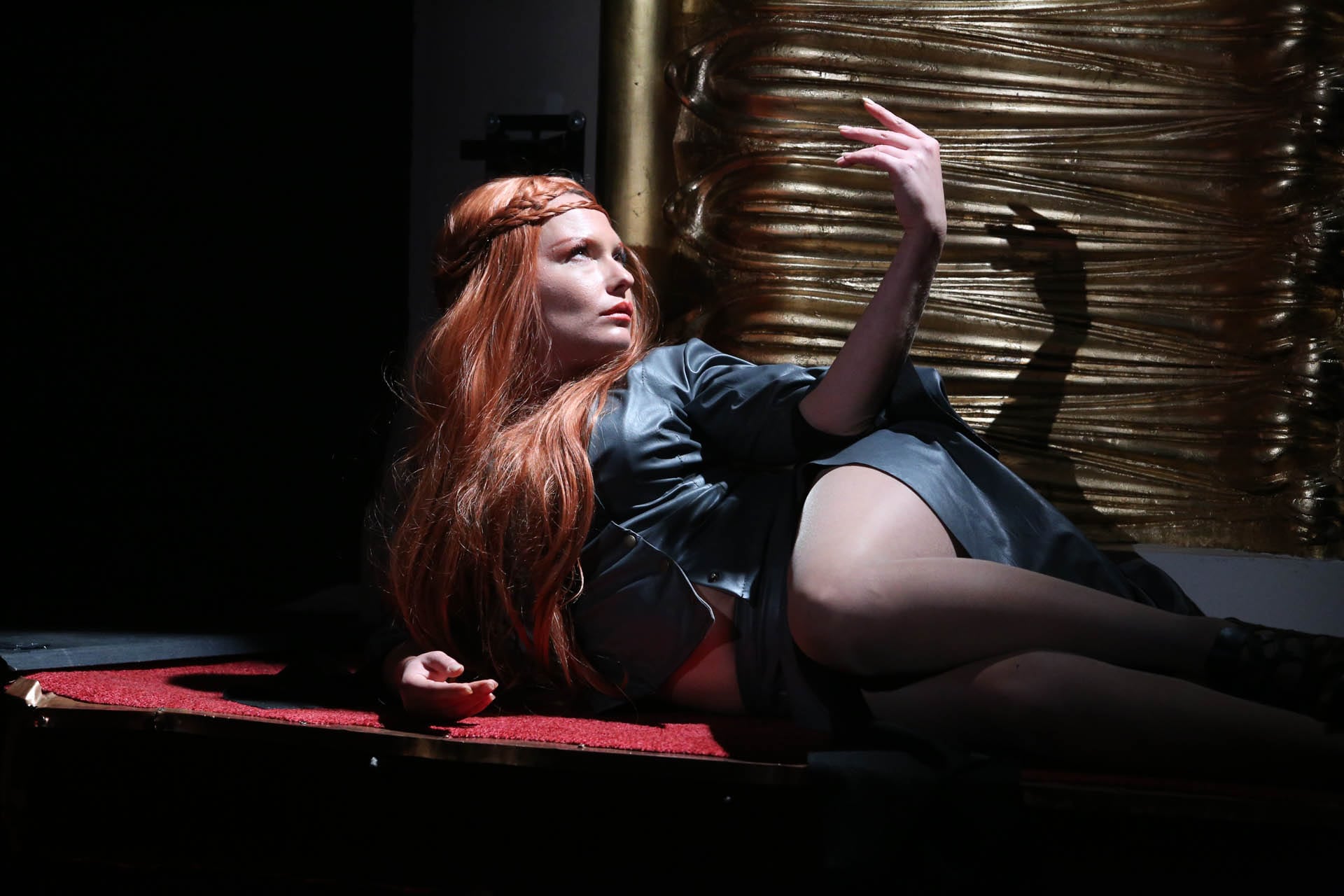


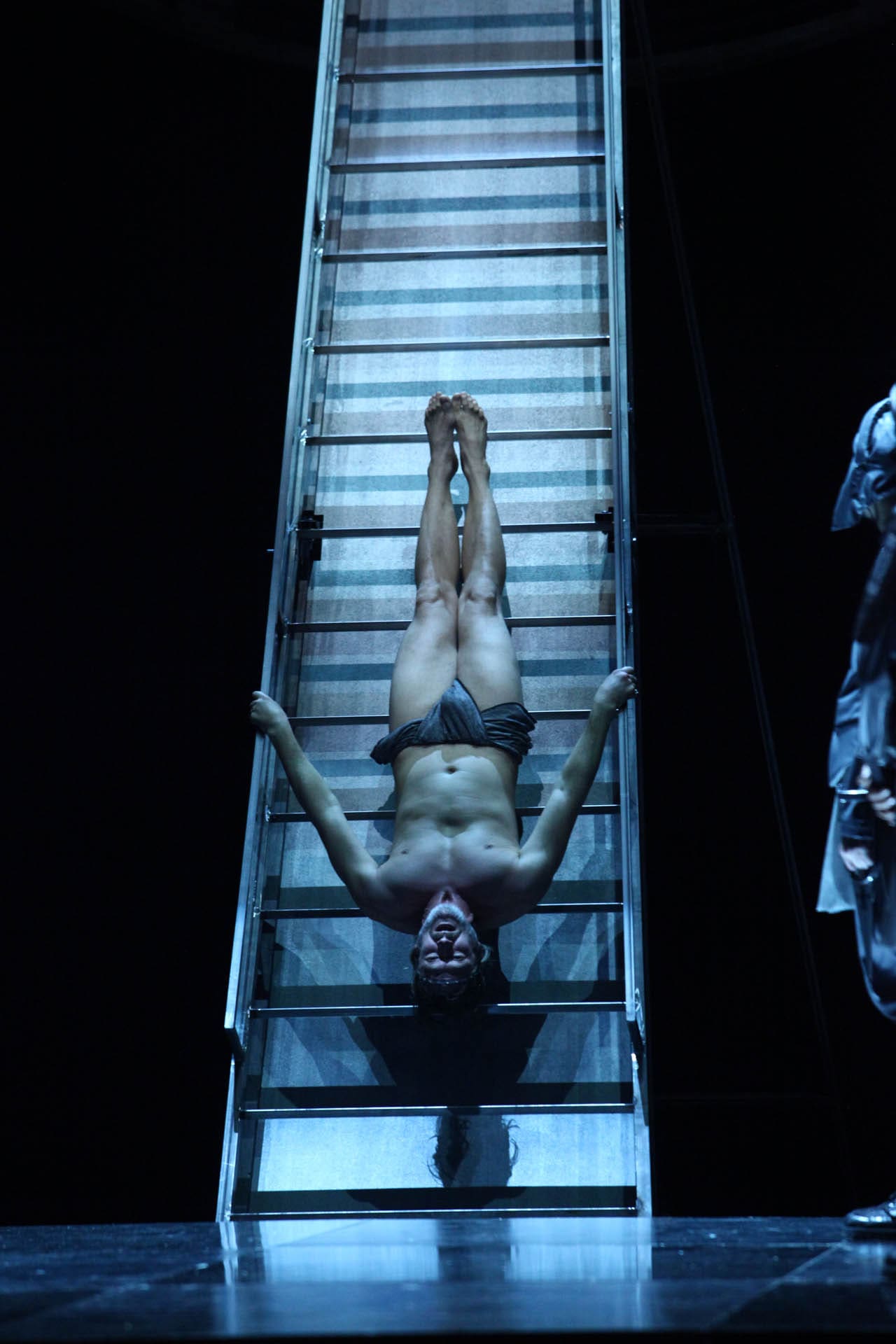

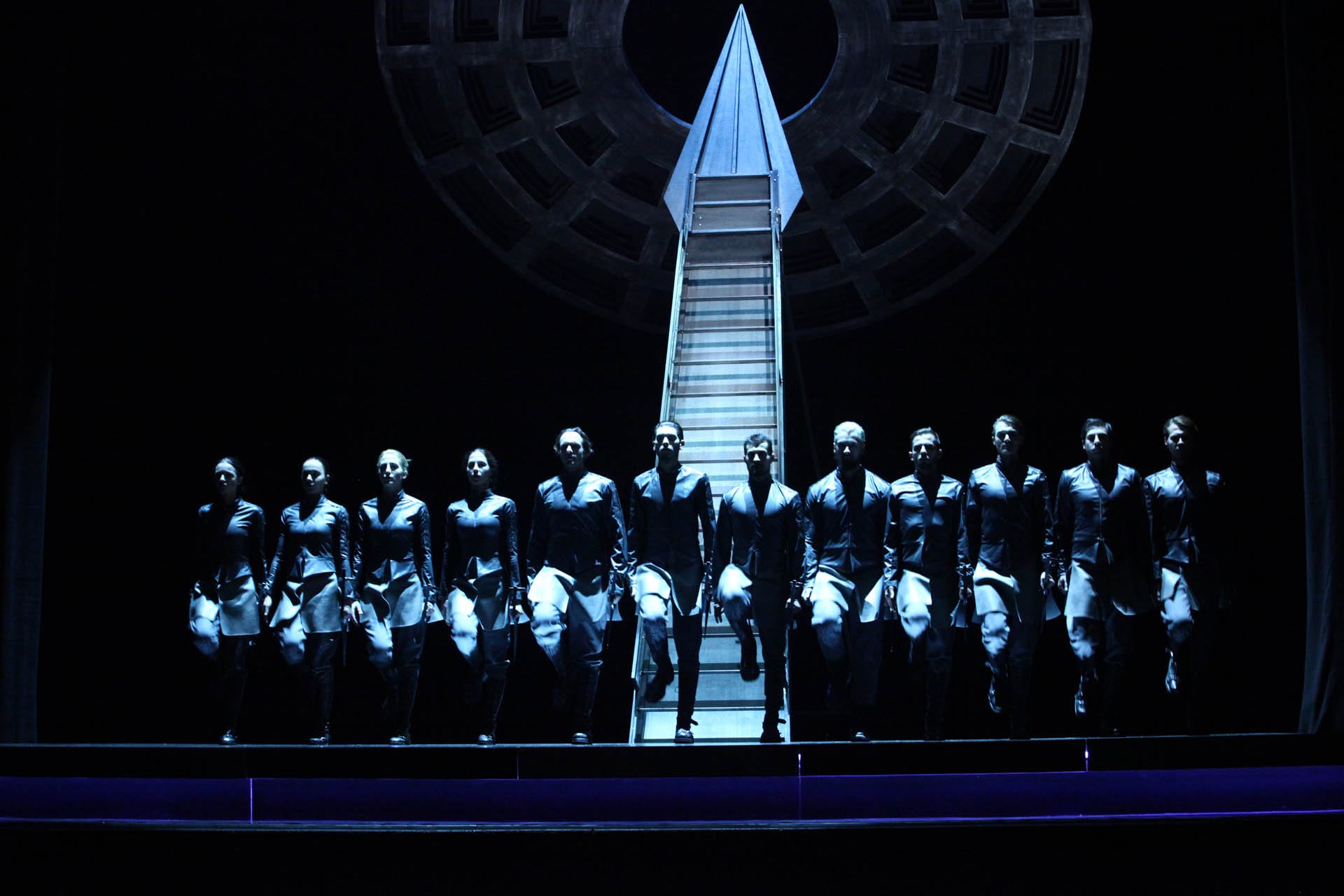


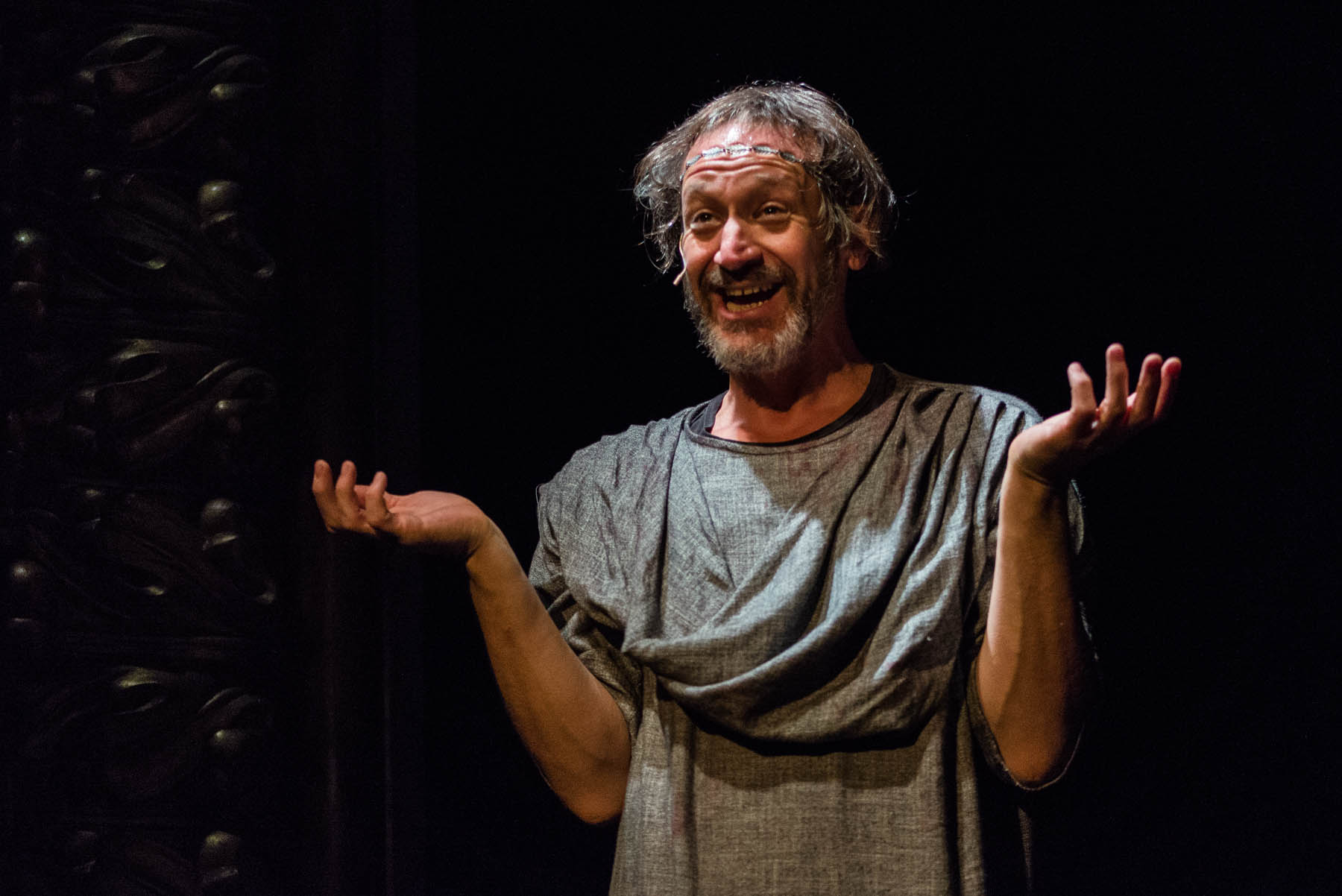
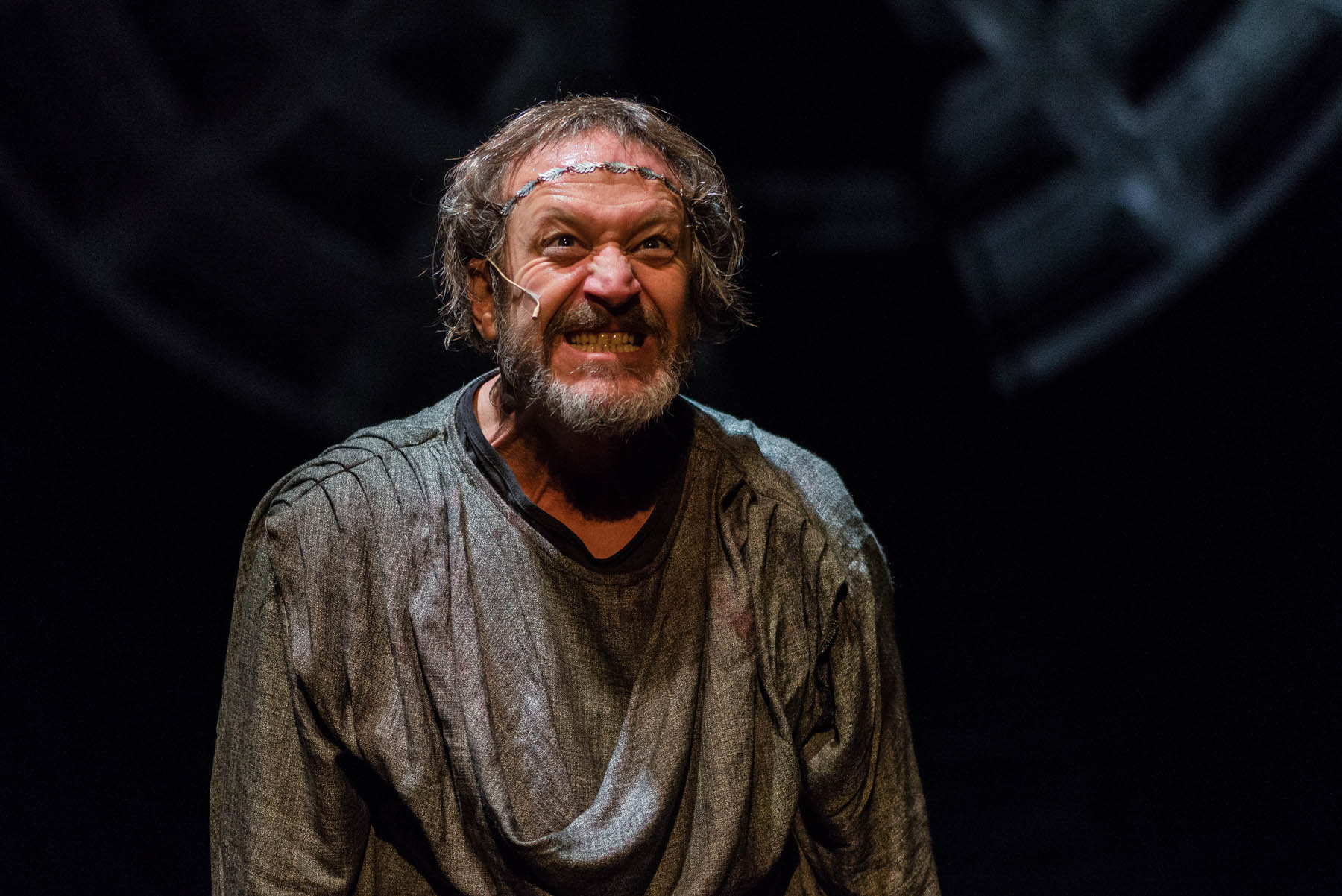
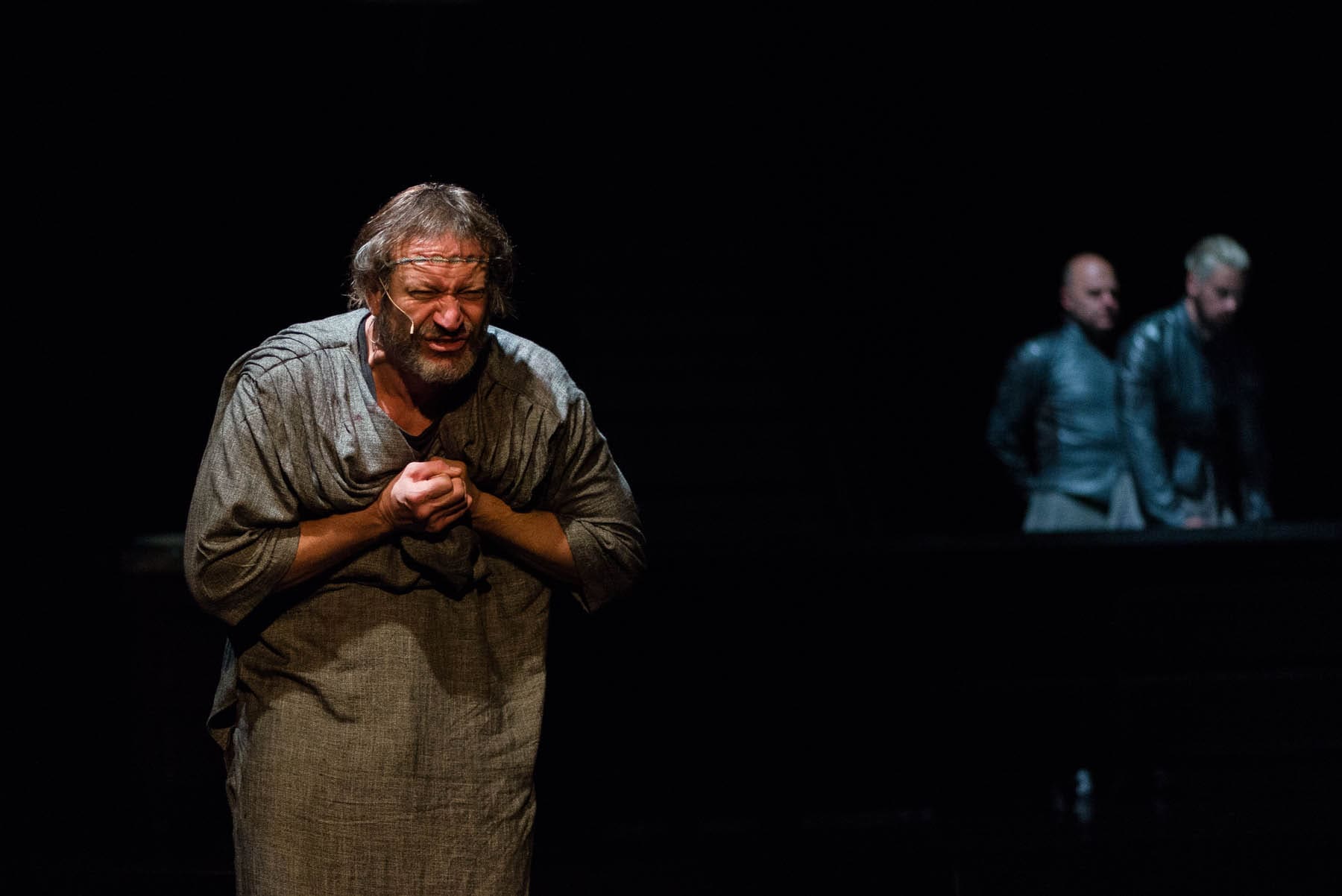
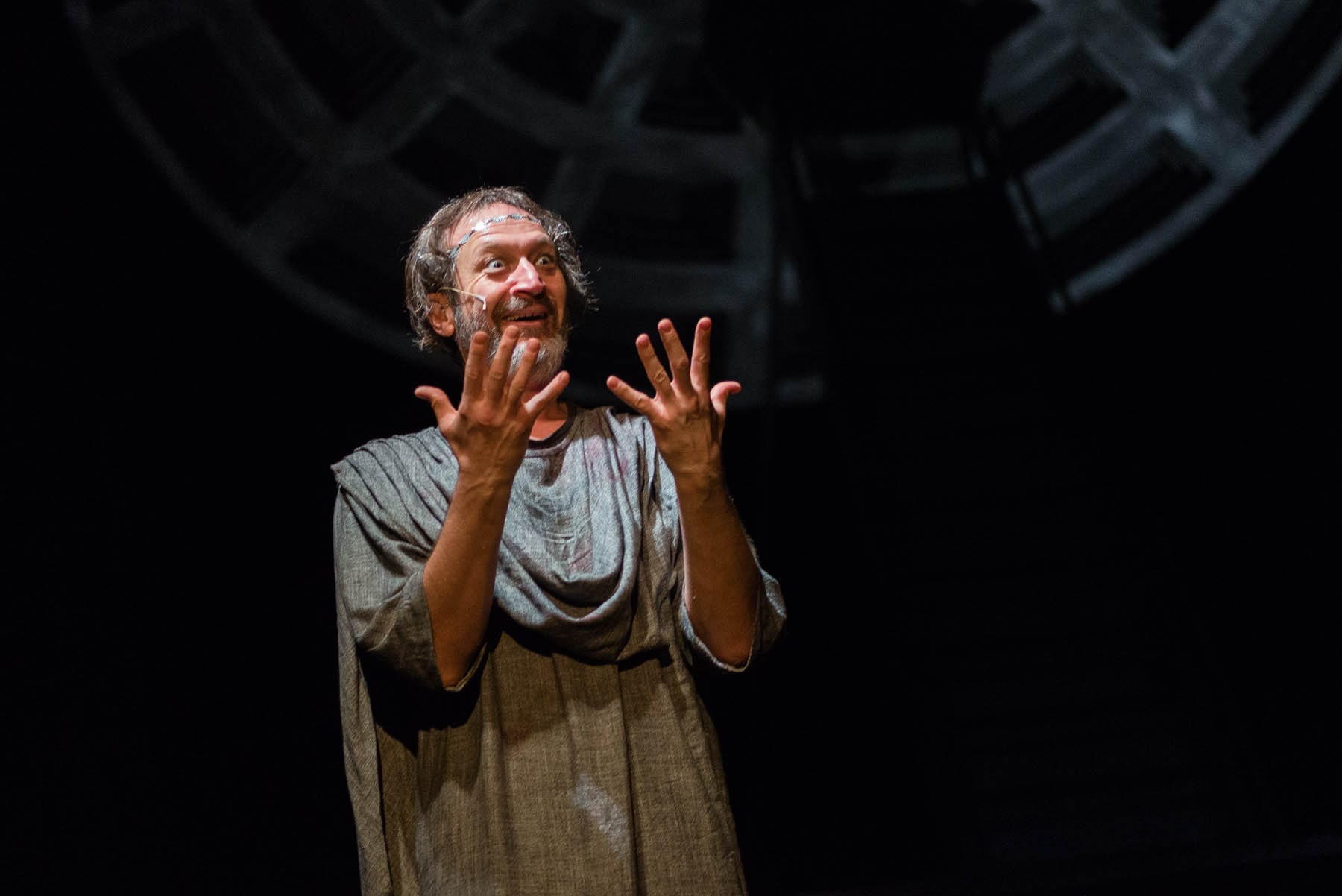

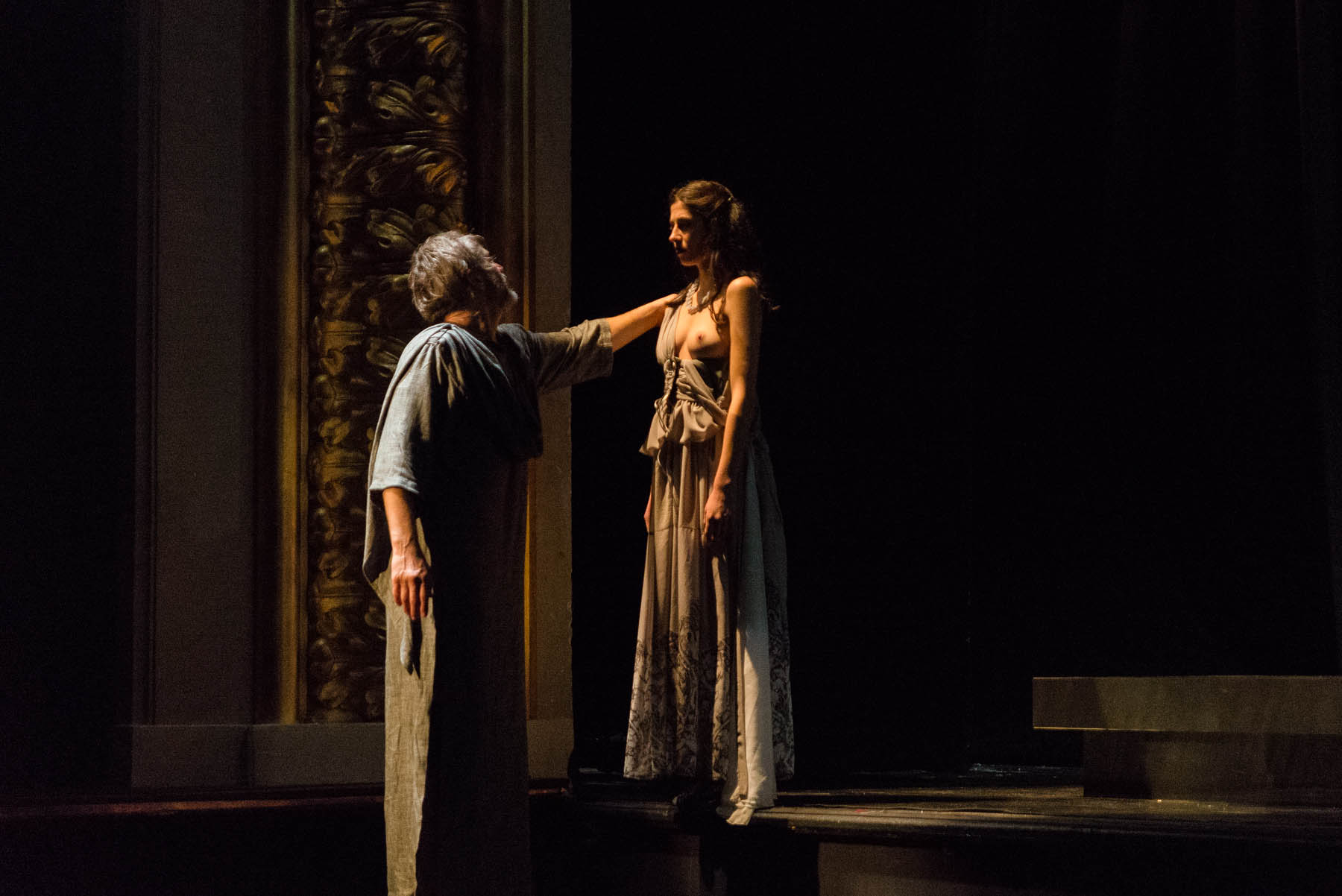
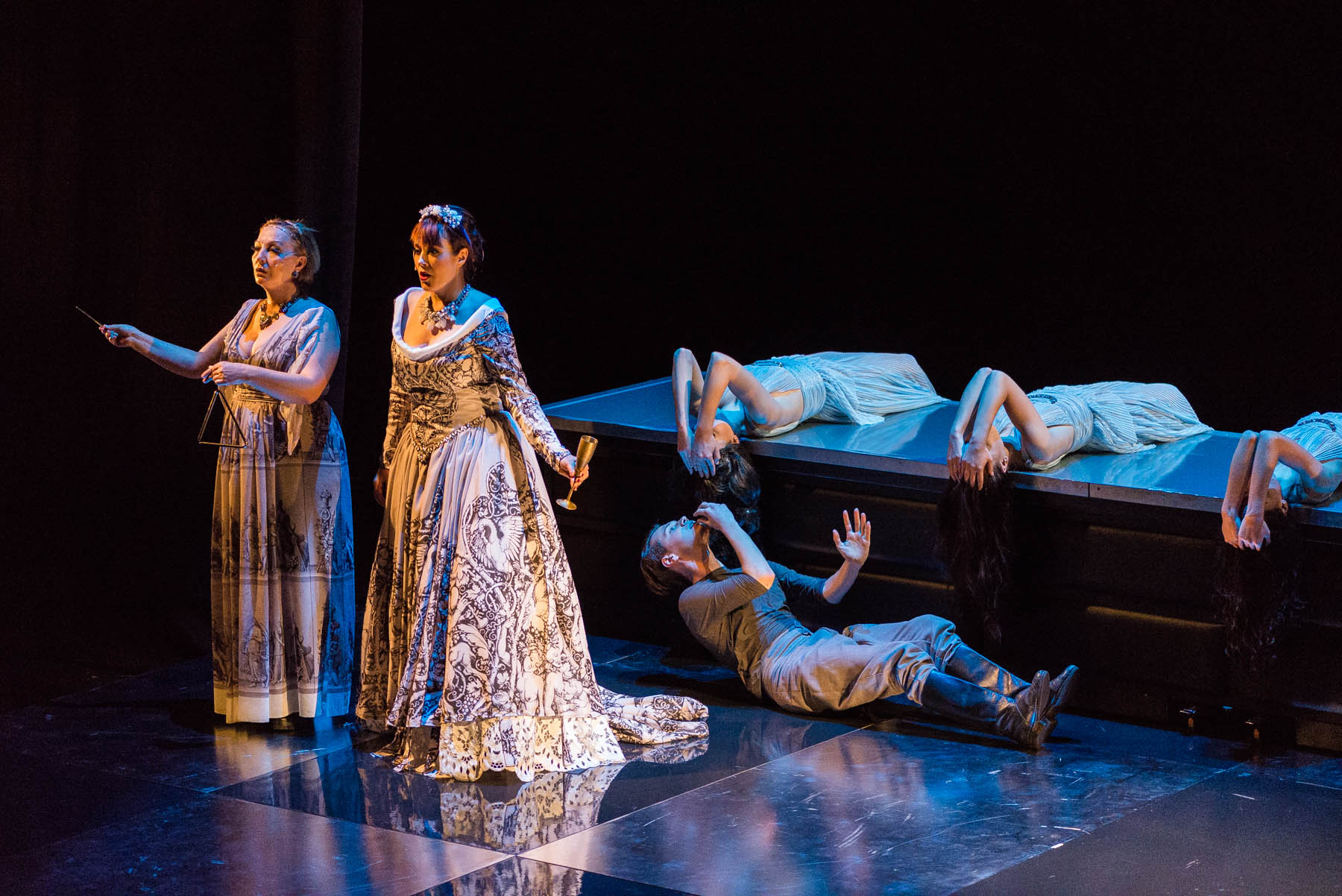

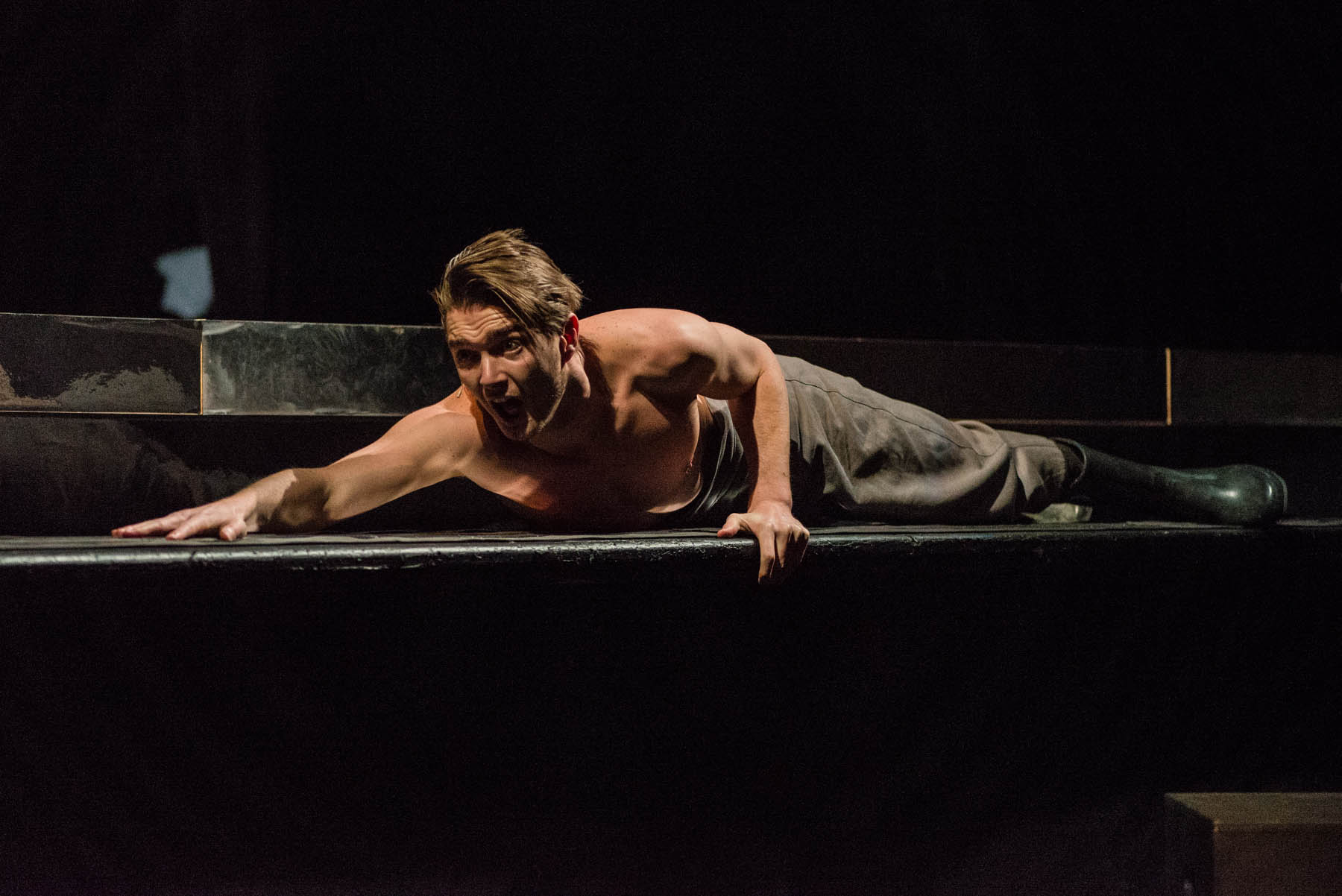

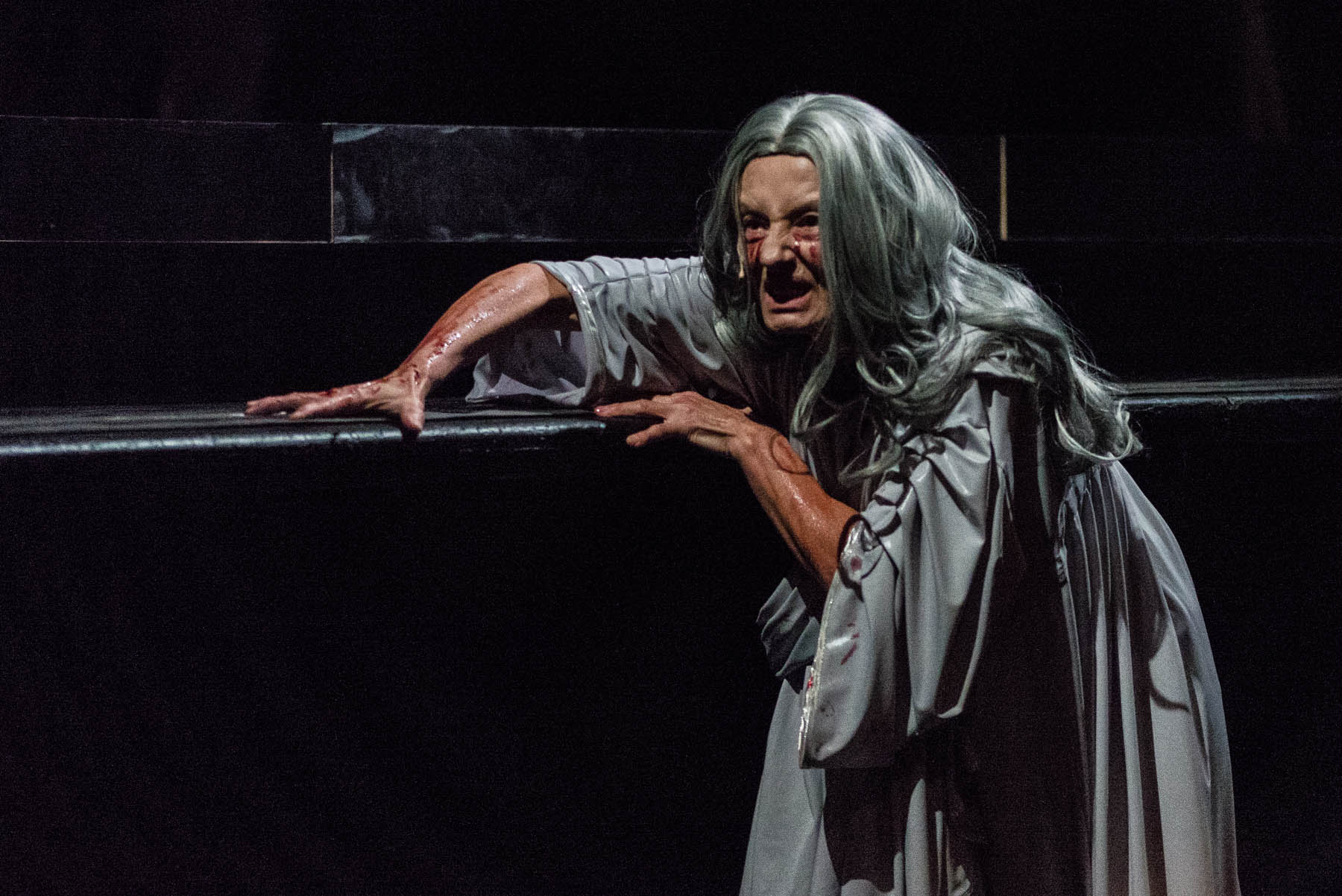
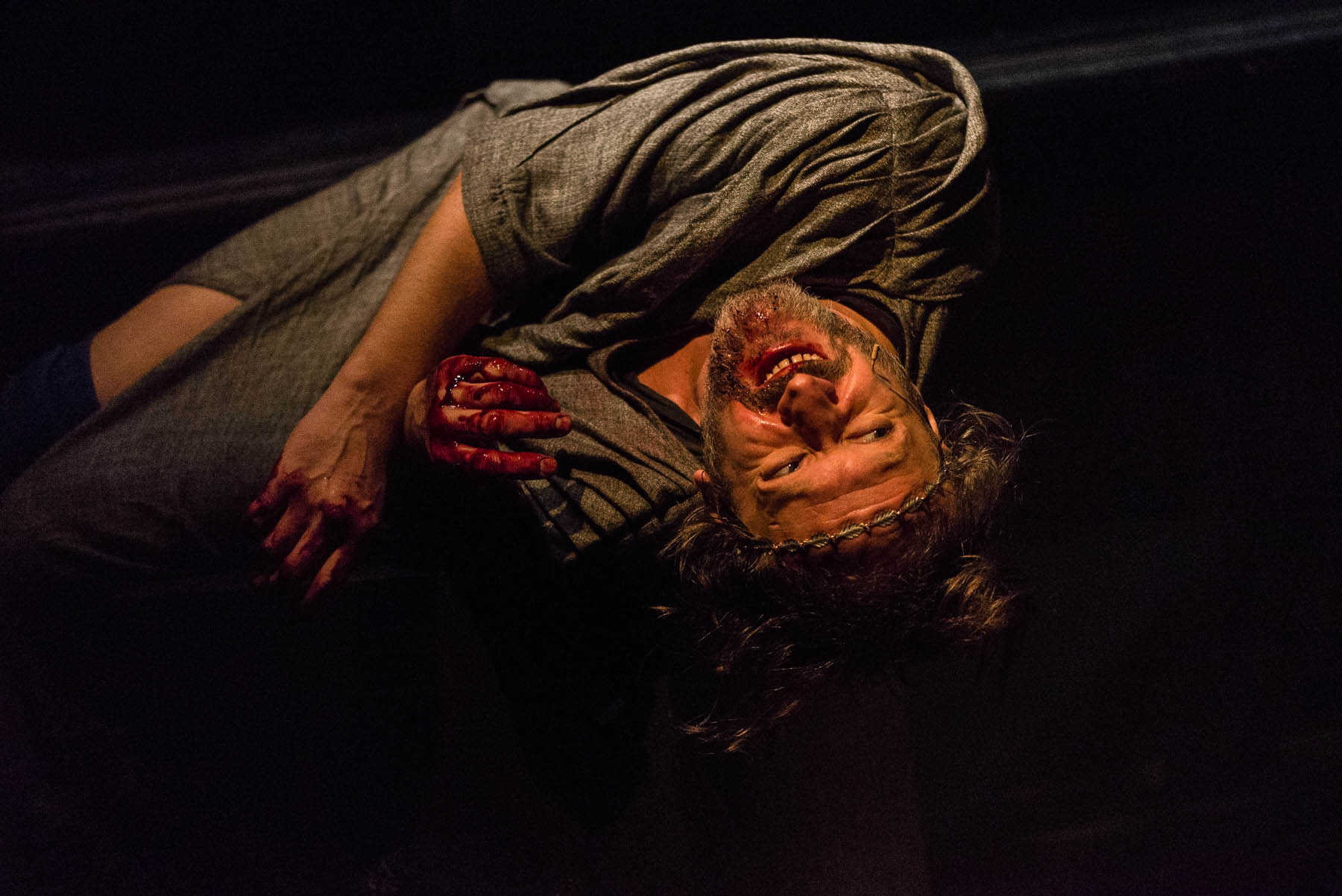

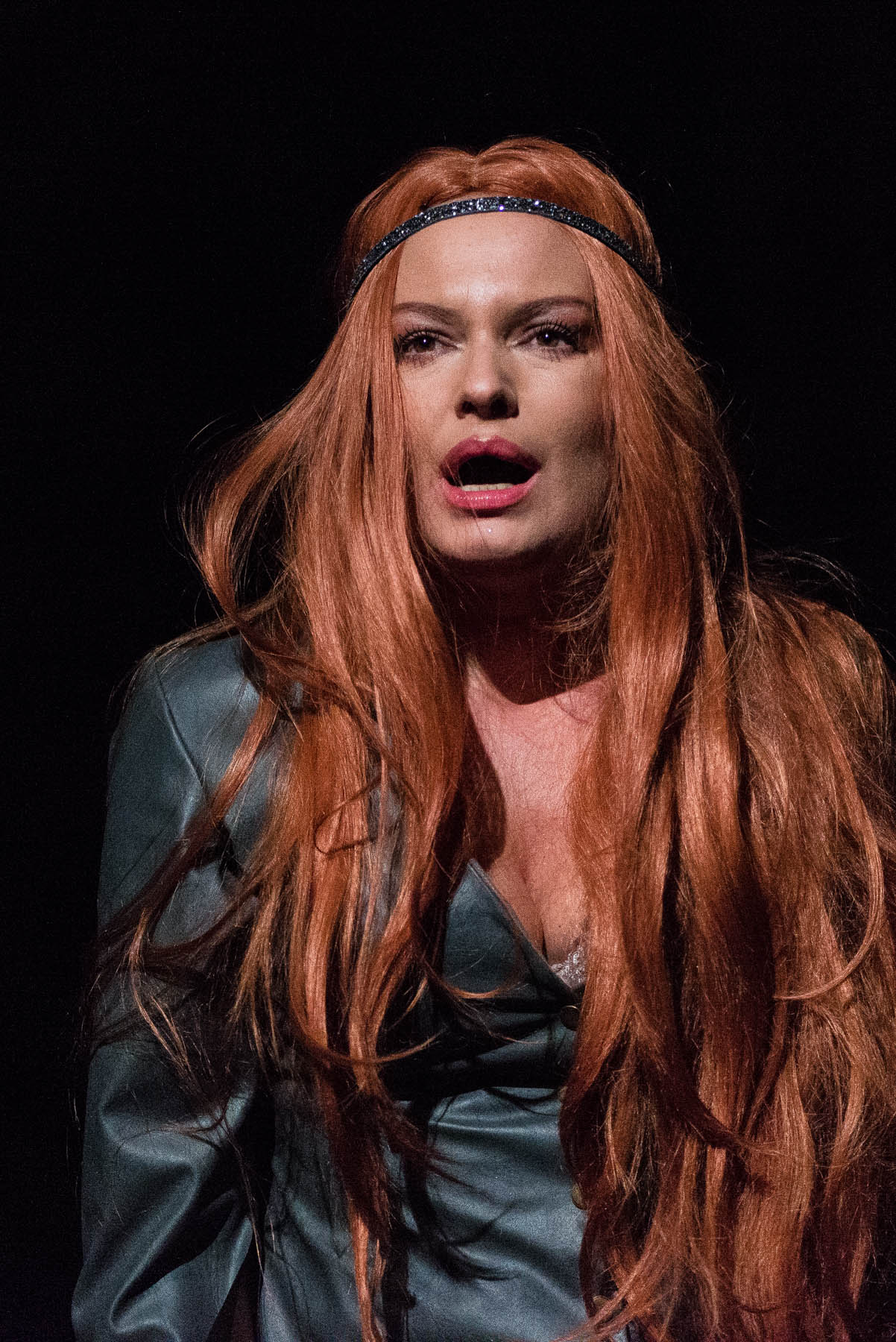
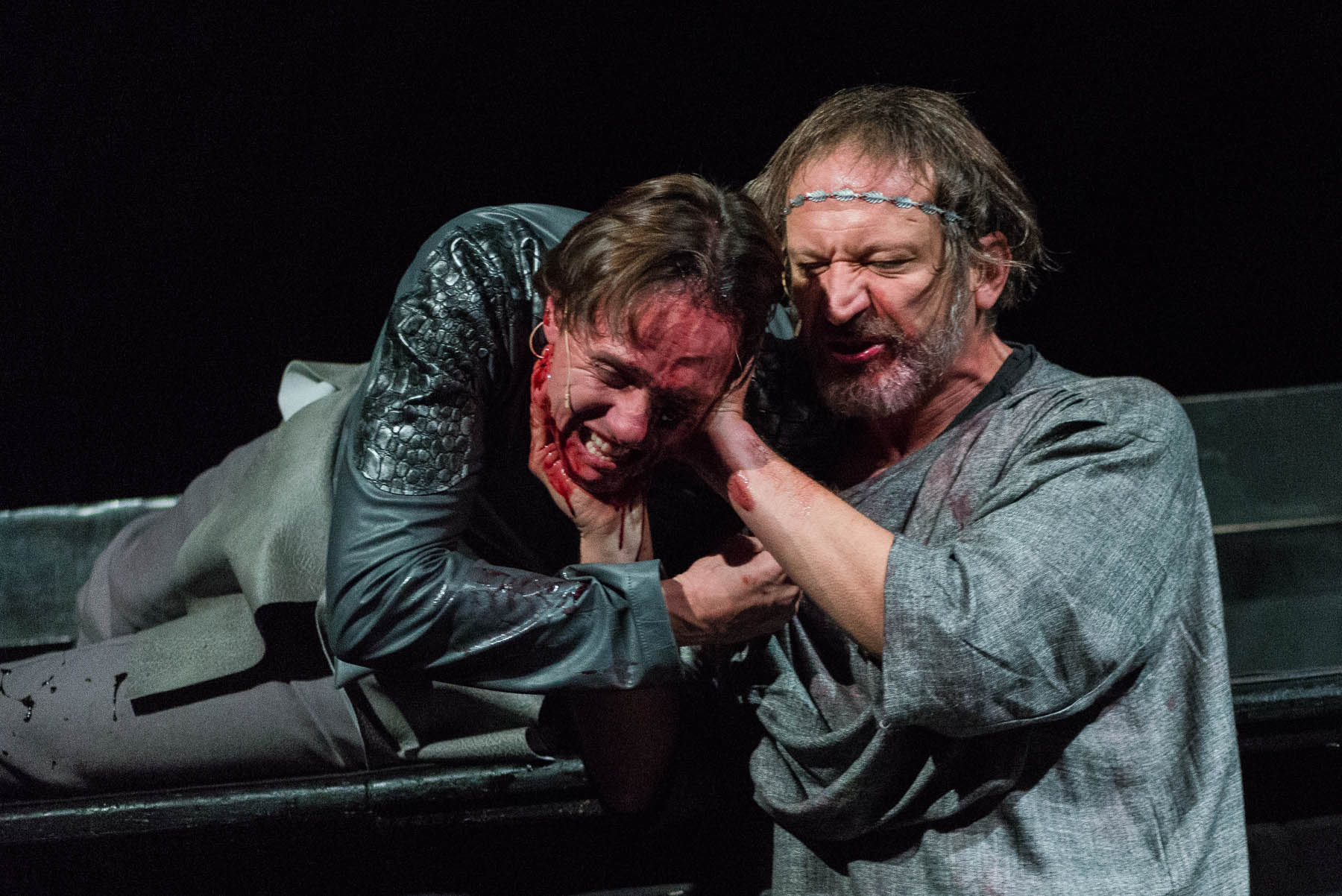
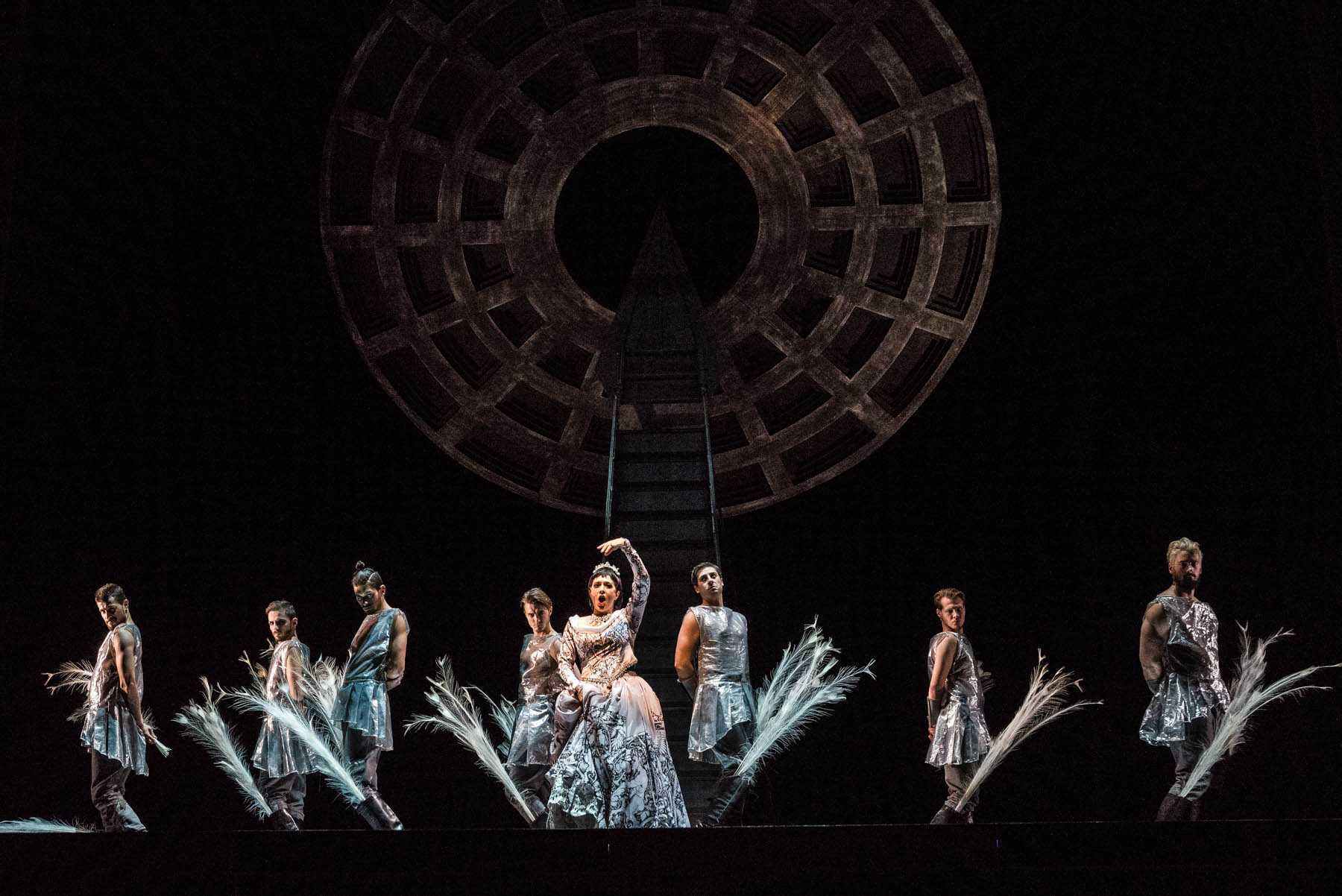

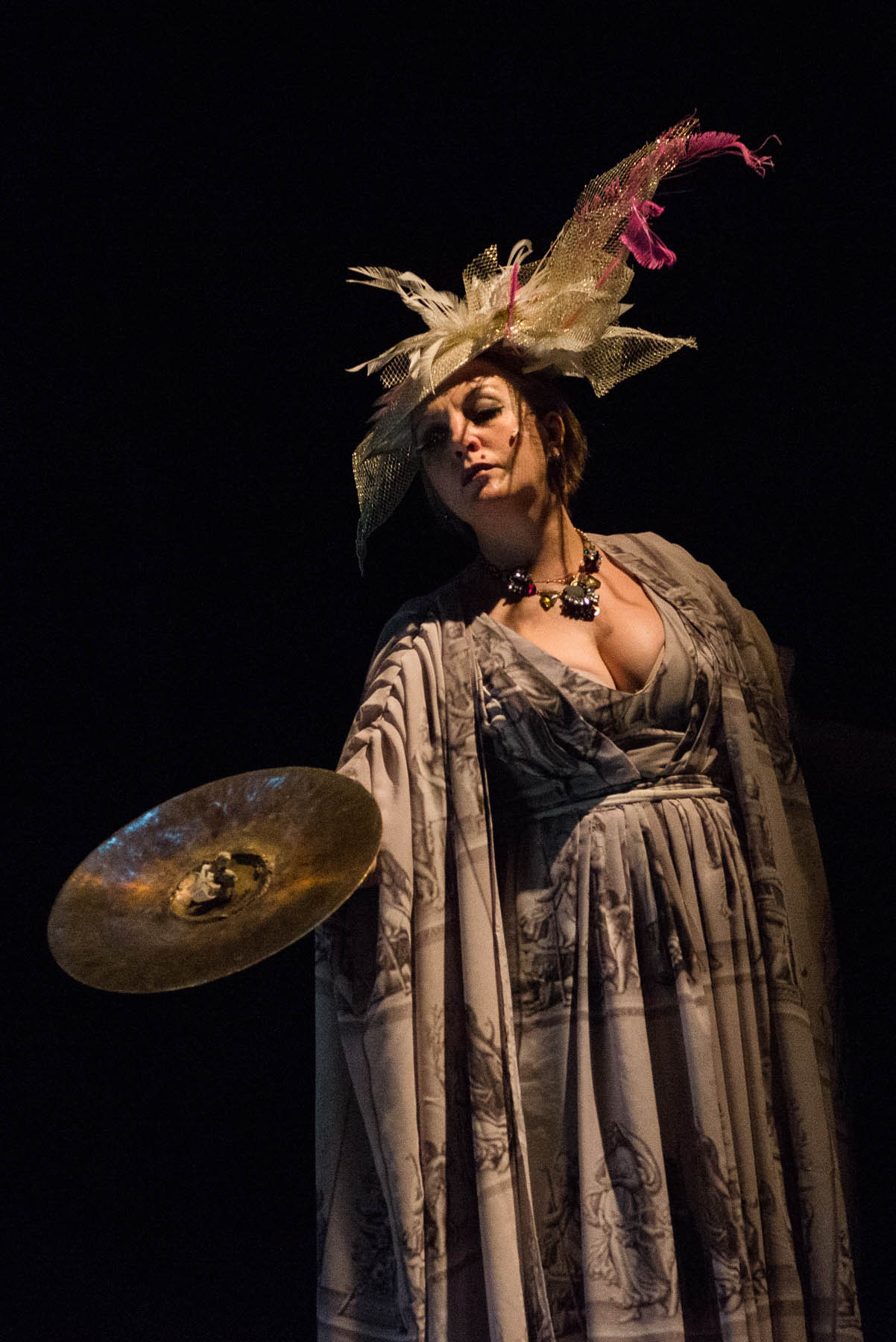


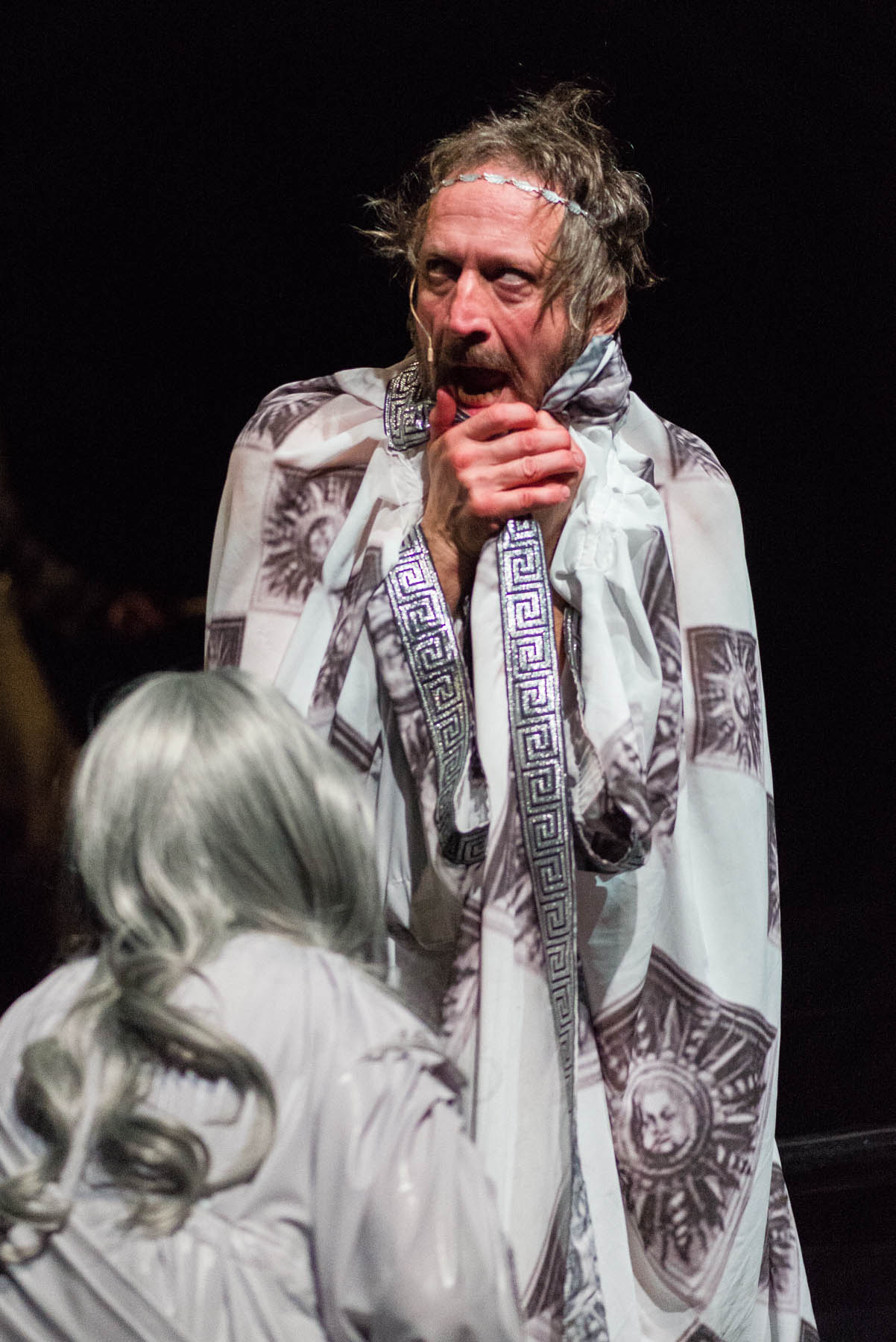
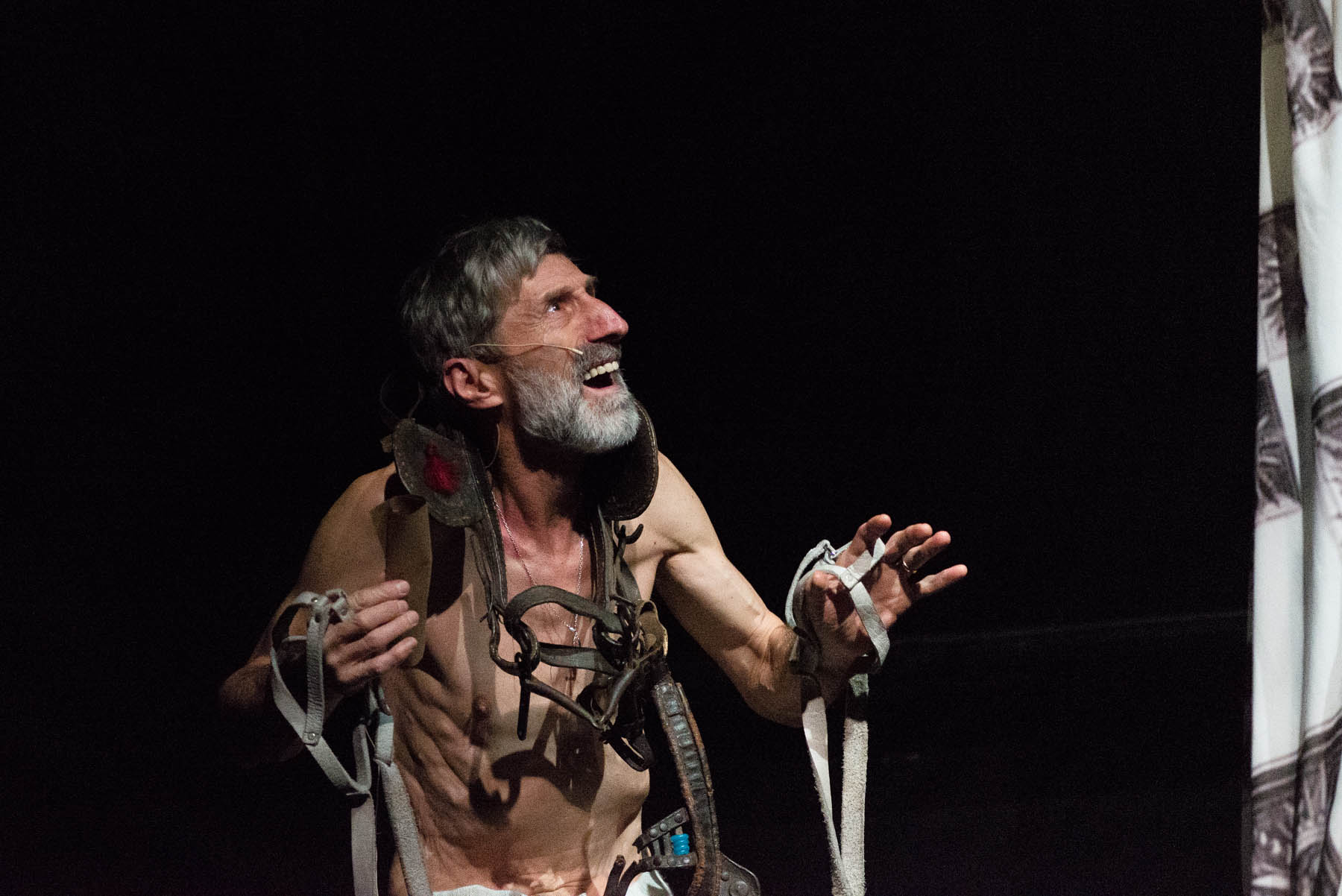


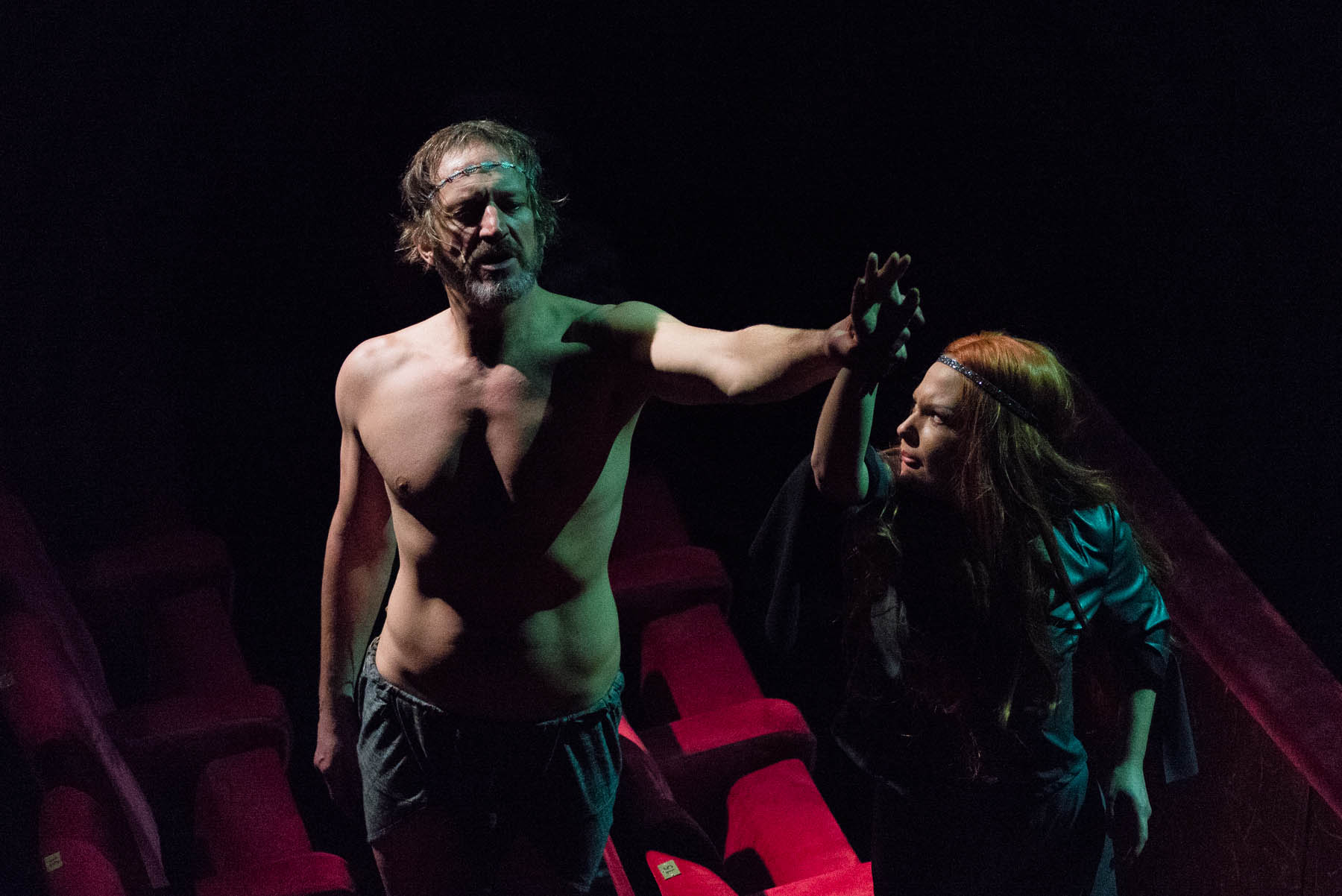
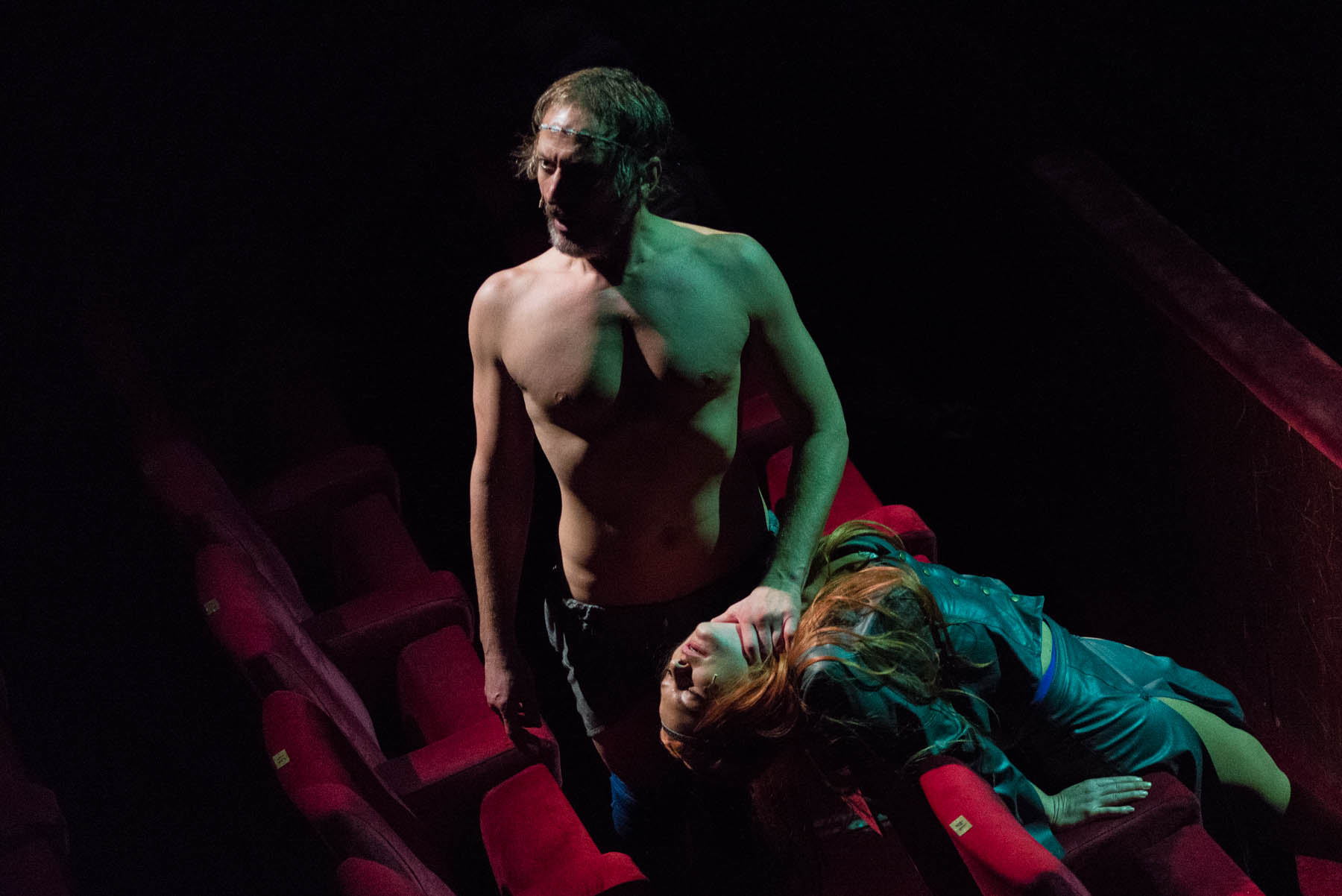

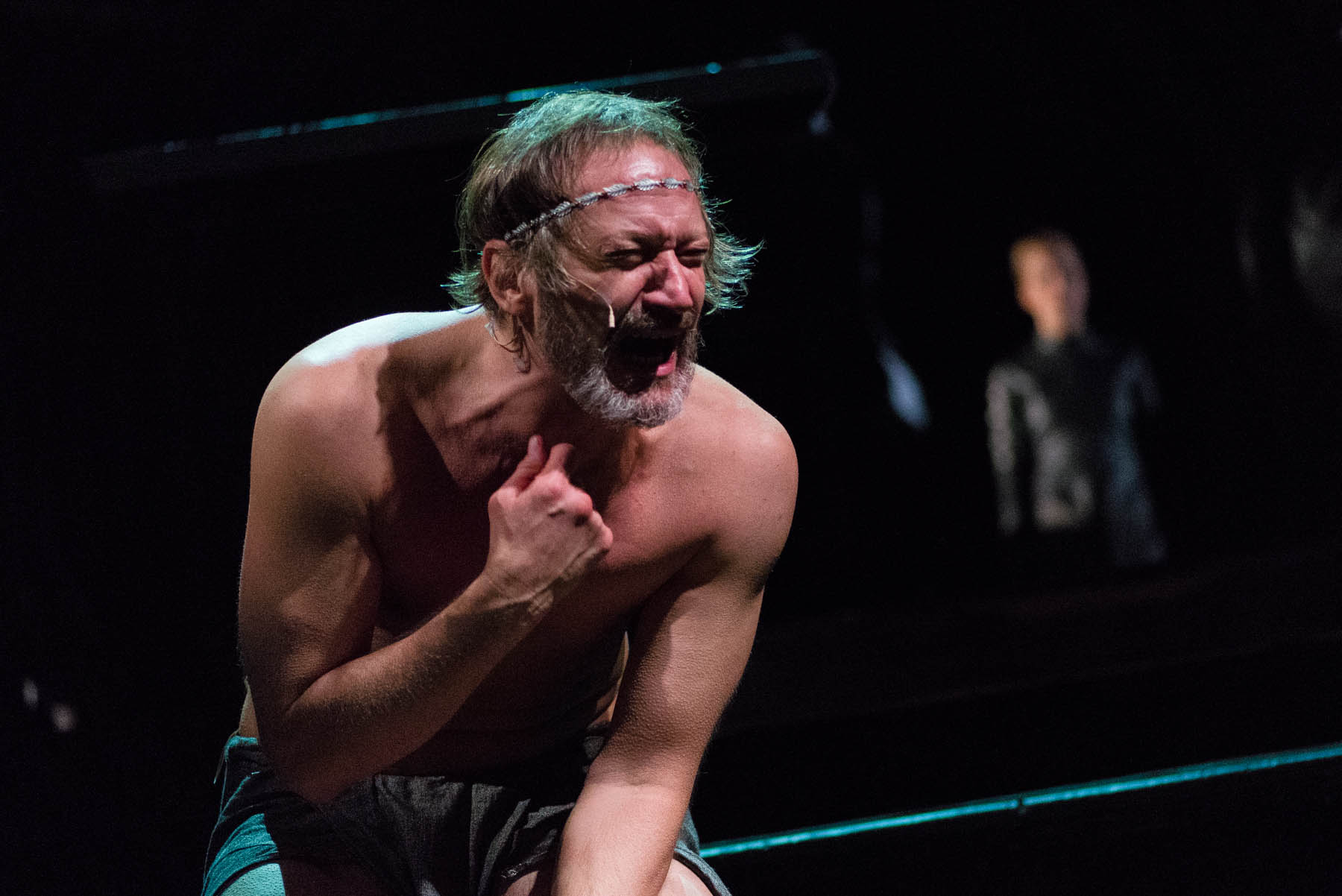

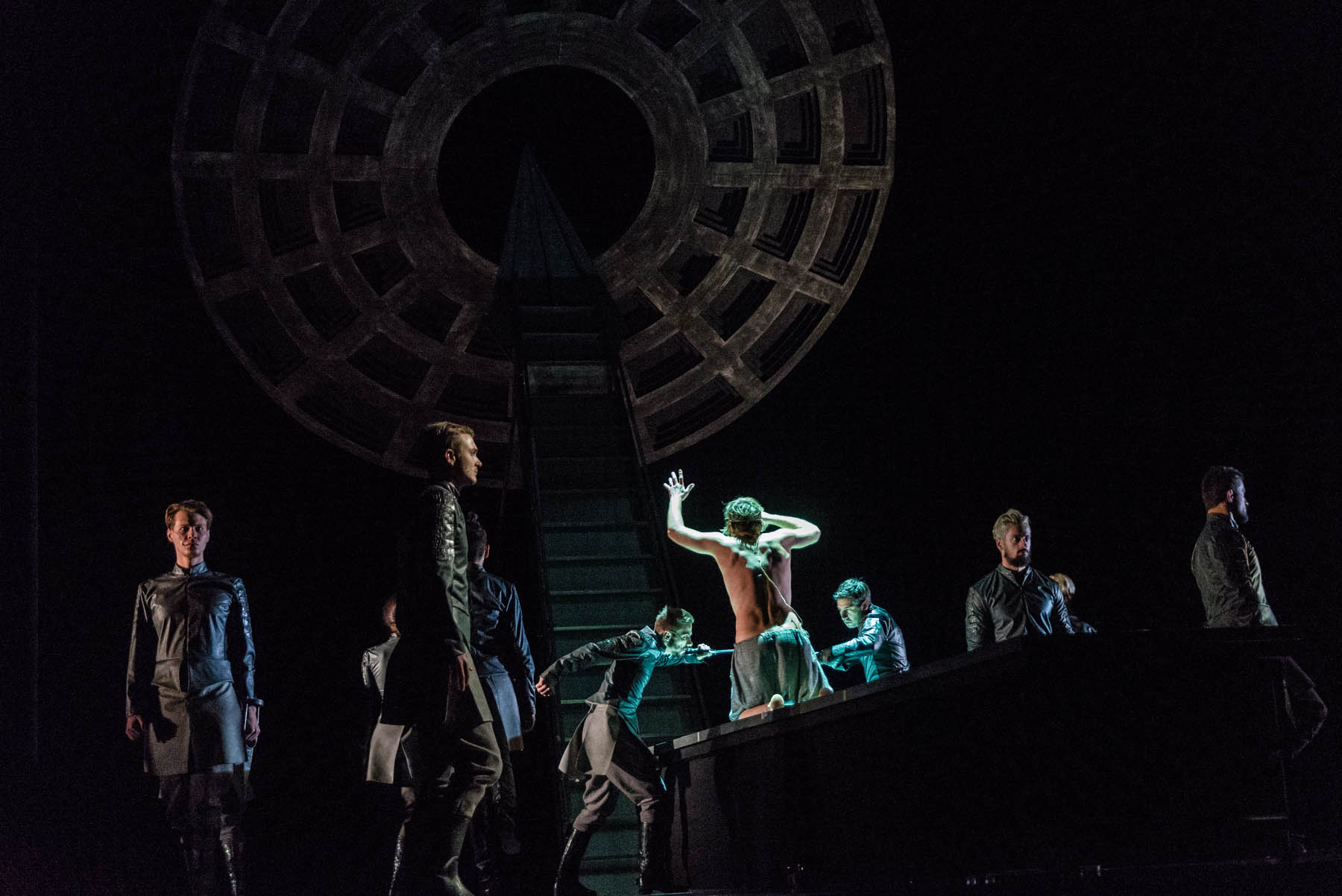

About
More than 2,000 years have passed since the death of Gaius Caesar Germanicus, better known as Caligula, and still his image of a cruel, unusual and tyrannical Roman ruler exists. He may be one of the most controversial dictators in history. The fatigue from ideologies gives birth to tyranny, and its need of ideologies destroys tyranny, says the director of this extremely impressive performance Diana Dobreva. As long as there is no ideology outside the exercise of pure power, which is synonymous with pure violence, tyranny is invisible, acceptable and invulnerable. In Camus's play Caligula is a stranger to meticulous logic, Sisyphus-like person to absolute power. And if the Emperor is a director with an uncontrollable will, then Death is the opening night to whom everyone is obliged to appear. And the more the dictator's urge for death grows, the more his regime becomes the norm, the favorite canon, the only dogma for his subjects. The current historical moment makes Camus's understanding that human life is a tragic attempt to overcome absolute emptiness especially valid. Death decides nothing and life continues in still silence and emptiness.